A guide for everyday wellbeing
Winter Arc Eating: Simple Diet Habits for Protein, Plants, Better Fats, and Lasting Results
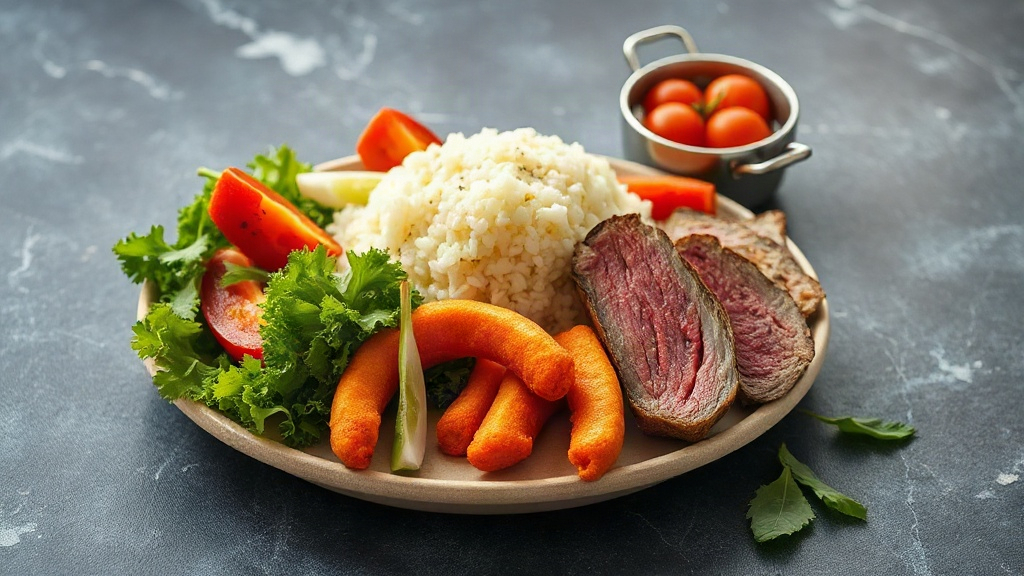
The colder months tend to bring a familiar urge to reset. Social media has given it a name, the "winter arc," a stretch of the year when people tighten up their routines around training, sleep, and food. Trainers quoted in recent coverage keep returning to the same message: start small, stay consistent, and build habits that survive the holidays. The same thinking applies to eating well.
Why the Winter Arc Works When It Stays Simple
The appeal of a winter arc is structure. Shorter days and busy calendars make it easy to drift into convenience food, and a defined season with a clear goal gives you something to anchor to. The risk is going too extreme, too soon. Slashing calories, cutting entire food groups, or overhauling every meal at once usually ends in burnout by mid-December.
A more durable approach is to choose two or three non-negotiables:
- Include a source of protein at every meal to support training and keep you full. - Add at least one vegetable or piece of fruit to every plate. - Cook at home most evenings, even if the meals are basic.
None of this is glamorous, but these habits compound over weeks, which is the whole point of the arc.
What the Latest Keto Research Suggests
Interest in low-carb and ketogenic eating remains strong, especially at the start of a new fitness push. New research from the University of Cincinnati adds an important nuance: certain saturated fats may make a ketogenic diet inflammatory. In other words, the source of fat on a keto plan may matter as much as the carb count.
This fits with what many dietitians have long advised. A ketogenic diet built around olive oil, avocado, nuts, seeds, and fatty fish is a very different proposition from one that leans heavily on processed meats, butter, and other saturated-fat-rich foods. If you are experimenting with keto, it is worth looking at the quality of your fats and speaking with a healthcare professional, particularly if you have heart health concerns or take medication.
Eating for Your Health and the Planet
Another theme gaining ground is the idea that the best diet is good for you and for the environment. Plant-forward eating patterns, often inspired by the planetary health approach, emphasize vegetables, fruit, whole grains, legumes, and nuts, with smaller amounts of red meat and ultra-processed foods. You do not need to go fully vegan to benefit.
Practical ways to move in that direction include:
- Swap one or two meat-based dinners each week for bean, lentil, or tofu dishes. - Choose seasonal produce, which is often fresher and cheaper. - Plan meals around what you already have to cut down on food waste. - Buy whole grains in bulk to save money and packaging.
These changes tend to improve fiber intake, which most people still fall short on, and they often lower grocery bills too.
Put Your Food Habits on a "News Diet" Too
Even the way we consume information is being described in diet terms. Friends are cutting back on headlines to protect their mental health, and the comparison is useful. Constant scrolling, late-night doomscrolling, and stress eating often go hand in hand. If your evenings involve a phone in one hand and a snack in the other, you are probably eating more mindlessly than you realize.
Try pairing the two resets. Eat dinner without a screen, set a cutoff time for news and social feeds, and notice how it changes your appetite, your sleep, and your mood. Better sleep alone can make healthy food choices easier the next day.
Building a Plan That Lasts Past the Season
The most effective diets are rarely the most dramatic. They are flexible enough to handle holiday meals, travel, and stressful weeks without collapsing. Allow room for favorite foods, focus on the overall pattern rather than any single meal, and judge progress by energy, strength, and consistency rather than only by the scale.
If a winter arc gets you cooking more, eating more plants, choosing better fats, and paying attention to how you feel, it has done its job. The calendar may eventually flip, but the habits are yours to keep.
Small steps count.
Choose what feels doable, and build from there.