A guide for everyday wellbeing
Protect Your Heart This Holiday Season: Smart Habits for Eating, Drinking, Moving, and Managing Stress
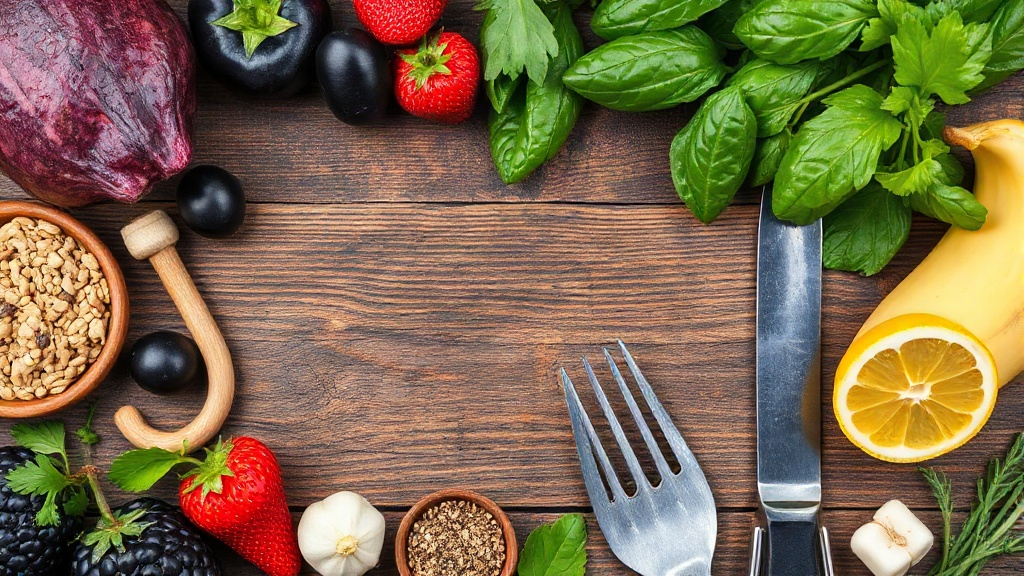
The holiday season brings family, tradition, and plenty of rich food. It also brings late nights, stress, and disrupted routines, and cardiologists have long noted that heart-related emergencies tend to rise in the colder months. Recent conversations among heart specialists focus on a simple idea: you don't have to skip the celebrations, but a few smart habits can protect your heart while you enjoy them.
Why the Holidays Can Strain Your Heart
Several seasonal factors combine to put extra pressure on the cardiovascular system. Cold weather narrows blood vessels and raises blood pressure. Holiday meals tend to be higher in sodium, saturated fat, and sugar. Alcohol intake often goes up, and sleep and exercise often go down.
Emotional stress matters too. Travel, financial pressure, family tension, and grief can all raise stress hormones, which in turn affect heart rate and blood pressure. Some people also delay doctor visits or ignore symptoms because they're busy or don't want to disrupt plans. That is a risky habit at any time of year.
Practical Ways to Eat Well Without Missing Out
Restricting yourself completely rarely works. A more sustainable approach is to make strategic choices:
- Start with produce. Fill half your plate with vegetables or salad before adding richer dishes. - Watch the sodium. Gravies, stuffing mixes, cured meats, and canned sides can hide large amounts of salt. Season with herbs, citrus, and spices where you can. - Choose your indulgences. Pick the two or three treats you truly love and skip the ones you're only eating out of habit. - Slow down. Eating at a relaxed pace helps you notice fullness, which makes overeating less likely. - Offer a heart-friendly dish. If you're hosting or bringing food, roasted vegetables, whole grains, or a fruit-based dessert make it easy for everyone to eat better.
Be Mindful With Alcohol
Heavy drinking, especially binge drinking, can trigger irregular heart rhythms. This is sometimes called "holiday heart syndrome," and it can affect people with no known heart disease. Alternate alcoholic drinks with water, set a limit before the party begins, and consider festive non-alcoholic options.
Keep Moving, Even in Small Doses
You don't need a full gym session to benefit. A 10- to 15-minute walk after a meal helps with digestion and blood sugar control. Family walks, an after-dinner stroll, or a game of catch all count.
If you plan to shovel snow or do other strenuous cold-weather chores, warm up first, take frequent breaks, and avoid it entirely if you have known heart problems or aren't used to exertion. Sudden, intense effort in the cold is a well-documented trigger for cardiac events.
Stay on Track With Medications and Checkups
Travel and changing schedules make it easy to forget daily medications. Pack extra doses, use phone reminders, and refill prescriptions before you leave town. If you have high blood pressure, diabetes, or high cholesterol, keep monitoring your numbers during the season.
Never brush off warning signs. Chest pressure or pain, shortness of breath, pain radiating to the arm, jaw, or back, sudden dizziness, cold sweats, or unusual fatigue warrant immediate medical attention. Call emergency services rather than waiting for symptoms to pass.
Protect Your Mental Health Too
Heart health and emotional well-being are closely linked. Prioritize sleep, build in quiet time, and say no to commitments that leave you drained. Reaching out to people who may be isolated or struggling is one of the most valuable things you can do at this time of year.
That includes talking openly with children and teens. Health experts, including pediatric specialists, emphasize that asking young people directly about their mood and thoughts of self-harm does not plant the idea; it opens the door to support. Keep the conversation age-appropriate, calm, and nonjudgmental, and listen more than you lecture. In the United States, anyone in crisis can call or text 988 to reach the Suicide & Crisis Lifeline at any hour.
Make Small Choices That Add Up
A healthy holiday season doesn't depend on perfection. Choose one or two habits, such as a daily walk, a lighter plate, or a consistent bedtime, and stick with them through the festivities. Those small decisions protect your heart now and set a stronger foundation for the months ahead.
Small steps count.
Choose what feels doable, and build from there.